

As the animation industry evolves, so does its awareness of the environmental implications tied to production processes. Sustainable animation practices are increasingly gaining momentum, with studios and creatives keen to minimise their environmental footprint.
Energy-efficient hardware, cloud-based services running on renewable energy, and reduced travel are practical measures being undertaken to this end.
Michelle Connolly, Founder and Director of Educational Voice, has pushed the Belfast studio towards full-cycle sustainability, from production techniques to the narratives shared with viewers.
Table of Contents
- Understanding Sustainable Animation
- Environmental Impacts of Animation Production
- Incorporating Eco-Friendly Materials
- Embracing Technological Innovation
- FAQs
Understanding Sustainable Animation
Defining Sustainable Practices in Animation
Sustainable animation encompasses the integration of eco-friendly measures throughout the production process, aiming to safeguard the environment and pave the way for a sustainable future. Educational Voice leads in demonstrating that the animation industry doesn’t need to have a negative environmental impact. Adopting sustainable practices, such as utilising energy-efficient equipment and selecting cloud-based rendering services, significantly reduces the carbon footprint of animation production.
Core Principles of Sustainable Animation: The shift towards eco-friendly methods to lower carbon emissions is accelerating while studios keep creativity central.
Key components include:
- Digital-first workflows to ditch paper
- Cloud-based collaboration, so there’s less travel
- Energy-efficient hardware and software
- Sustainable sourcing for any physical materials
Key Goals for the Animation Sector: the aims most commonly set out across the industry are cutting power consumption, reducing reliance on physical materials, working towards net-zero emissions, and moving production onto paperless digital workflows. The Green Animation Guide, published by Ecoprod, Green Film and CineRegio, sets these out as a three-step strategy: measure, reduce, certify.
The Role of Animation in Environmental Awareness
Through eco-friendly narratives and storylines, Michelle Connolly and the Educational Voice team believe in harnessing animation’s power to raise awareness and encourage positive change.
Environmental Impacts of Animation Production
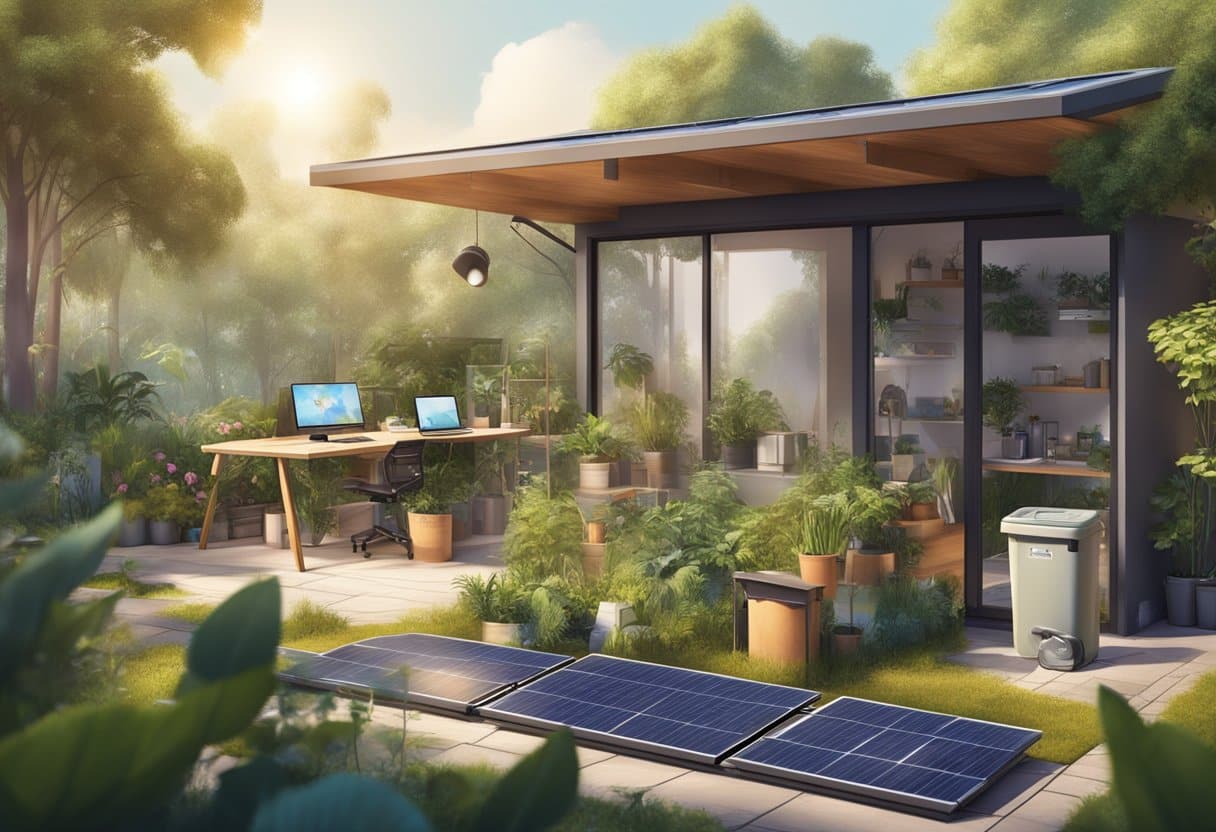
Understanding the environmental toll of animation production is pivotal, particularly in energy utilisation, emissions, and waste management.
Energy Consumption in Animation Studios
High-performance computing equipment and servers running 24/7 for rendering and animation are substantial energy users. Initiatives for power efficiency and use of renewable energy sources are effective methods to mitigate this impact.
Cloud-Based Rendering: By relying on shared data centre resources, studios can lower their environmental impact. This technology spreads rendering tasks across optimised servers, so shared resources mean studios don’t need to keep power-hungry machines running locally.
Key environmental advantages include a reduced carbon footprint through shared infrastructure, better energy efficiency from data centres optimising power use across clients, and scalable resource allocation so studios only use what they need.
“Cloud rendering has completely changed how we approach sustainable production at our Belfast studio. We deliver high-quality 2D animations and shrink our energy footprint,” says Michelle Connolly, Founder and Director of Educational Voice.
Data Centre Sustainability: modern data centres achieve better energy efficiency through specialised cooling and renewable power, with many now running on wind or solar energy. Common features include advanced cooling, renewable energy supply that removes dependence on fossil fuels, server optimisation that delivers more processing per watt, and heat recovery that repurposes waste heat elsewhere.
GPU-Optimised Rendering: High-efficiency workstations with modern graphics cards use less power per frame and run cooler, reducing the air conditioning load. Smart scheduling, running heavy renders during off-peak hours when the grid is less busy, saves money and reduces environmental impact.
Renewable Energy Integration: wind power suits UK studios well given the climate; solar helps during production hours even if less reliable here. Many facilities buy renewable energy certificates or switch to green tariffs. Battery storage lets studios save renewable energy during busy periods for use on overnight renders.
Carbon Footprint of Production Processes
As Michelle Connolly points out, “Each phase, be it storyboarding or the final render, adds to our carbon ledger. It’s our duty to minimise these footprints.”
Reducing Carbon Footprint: the carbon footprint of animation goes beyond electricity: transport, making new equipment, and digital infrastructure all add up. Remote collaboration tools cut down on travel emissions, and sharing digital assets removes the need for couriers or physical media between team members.
Effective carbon reduction strategies include remote workflows that cut commuting and travel emissions, equipment longevity through good maintenance, a switch to green electricity suppliers, and more efficient rendering through better file formats and compression. Local partnerships with nearby voice talent, musicians, and suppliers also reduce transport while supporting the local creative community.
Waste Generation and Management
Educational Voice champions reduction strategies and recycling protocols to manage this waste responsibly, reflecting their commitment to the planet and future generations.
Resource Usage and Waste Generation: digital workflows lead to e-waste through constant hardware upgrades and swapping out servers for demanding renders. Physical waste piles up from printed storyboards, concept art, and traditional materials, since a lot of studios still use paper-based planning even where digital tools are available.
Waste Reduction Strategies: hardware lifecycle planning keeps equipment running longer with regular maintenance and targeted upgrades; older graphics cards and processors can still be useful in preview stations after upgrading main machines. Good file management stops storage waste by archiving finished projects to energy-efficient cold storage, cutting the power needed for active servers. Material reduction extends to digital contracts, e-invoices, and paperless workflows. Component recycling ensures e-waste goes to proper disposal rather than landfill.
Studio Resource Management: cloud storage lowers on-site server energy, automated backups stop duplicate file storage, asset libraries keep teams from recreating what they already have, and remote tools cut commuting emissions. Real-time energy monitoring spots equipment that eats power when idle, and workstations slipping into sleep mode between projects cut overnight electricity use. Water-cooled rendering systems use less energy than air cooling.
Incorporating Eco-Friendly Materials
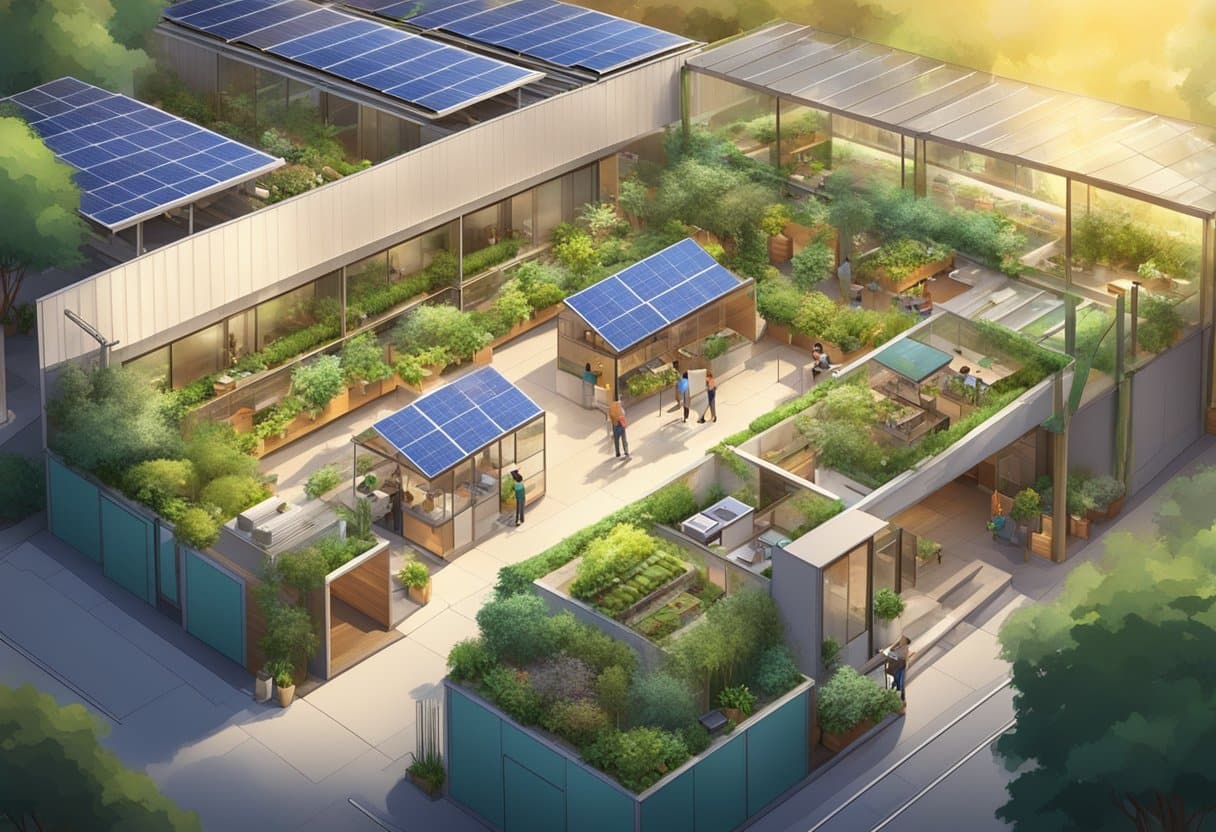
Educational Voice highlights the significance of incorporating eco-friendly materials that are both biodegradable and recyclable.
Biodegradable and Recyclable Resources
Implementing biodegradable materials reduces waste, as these substances naturally break down without harming the environment. For instance, Educational Voice leverages paper and natural fibres in their animation productions, which can be recycled or composted post-use.
Examples of Biodegradable Materials:
- Paper and cardboard
- Natural textiles (cotton, wool)
- Bioplastics derived from cornstarch or sugarcane
Reducing Plastic Pollution Through Materials Choices
Educational Voice takes a strong stance against plastic pollution by prioritising eco-friendly alternatives whenever possible. Their animations often feature:
Materials that help combat plastic pollution:
- Metals and glass for reusable props
- Silicone instead of traditional plastics
- Innovative materials like PLA (Polylactic Acid), a thermoplastic made from renewable resources
Sourcing Eco-Friendly Supplies: looking for suppliers who genuinely care about the environment and have certified practices. Local Belfast suppliers cut down on transport emissions and support the local creative scene, with several art supply companies now offering carbon-neutral delivery. Buying in bulk reduces packaging waste, and sticking with suppliers who take packaging back for reuse helps further. Refillable ink cartridges and rechargeable batteries also cut electronic waste. FSC-certified wood means responsible forestry, water-based paints have fewer chemicals than standard ones, and second-hand equipment often works just as well and lasts longer. Being able to trace the supply chain helps spot real sustainable options rather than greenwashing.
Embracing Technological Innovation
Virtual Production Techniques
Virtual production techniques are transforming the animation industry, allowing creators to weave digital elements seamlessly with live action. This shift not only enhances creativity but also significantly lowers the carbon footprint associated with set construction, transportation, and on-location shoots.
Michelle Connolly, the dynamic force behind Educational Voice, asserts, “Virtual production represents a monumental leap in animation, merging imagination with ecological responsibility.”
The Rise of Green Software and Hardware
Animation studios are increasingly opting for energy-efficient hardware and software that are designed to consume less power.
Digital Workflows and Efficiency: Studios reduce their carbon footprint after ditching paper storyboards and cel animation for digital options. Cloud-based asset management removes bulky storage rooms, real-time collaboration tools cut trips and meetings, automated rendering queues make the most of computers during off-peak hours, and version control systems stop duplicate work and file messes.
Reducing Redundancy and Duplication: asset libraries help teams avoid recreating things that already exist; reusable rigs, backgrounds, and motion templates cut duplicate work across projects. Common waste in production includes re-animating similar character movements, creating identical background elements repeatedly, rendering unnecessary test versions, and storing multiple copies of the same assets.
Sustainable Production in Practice
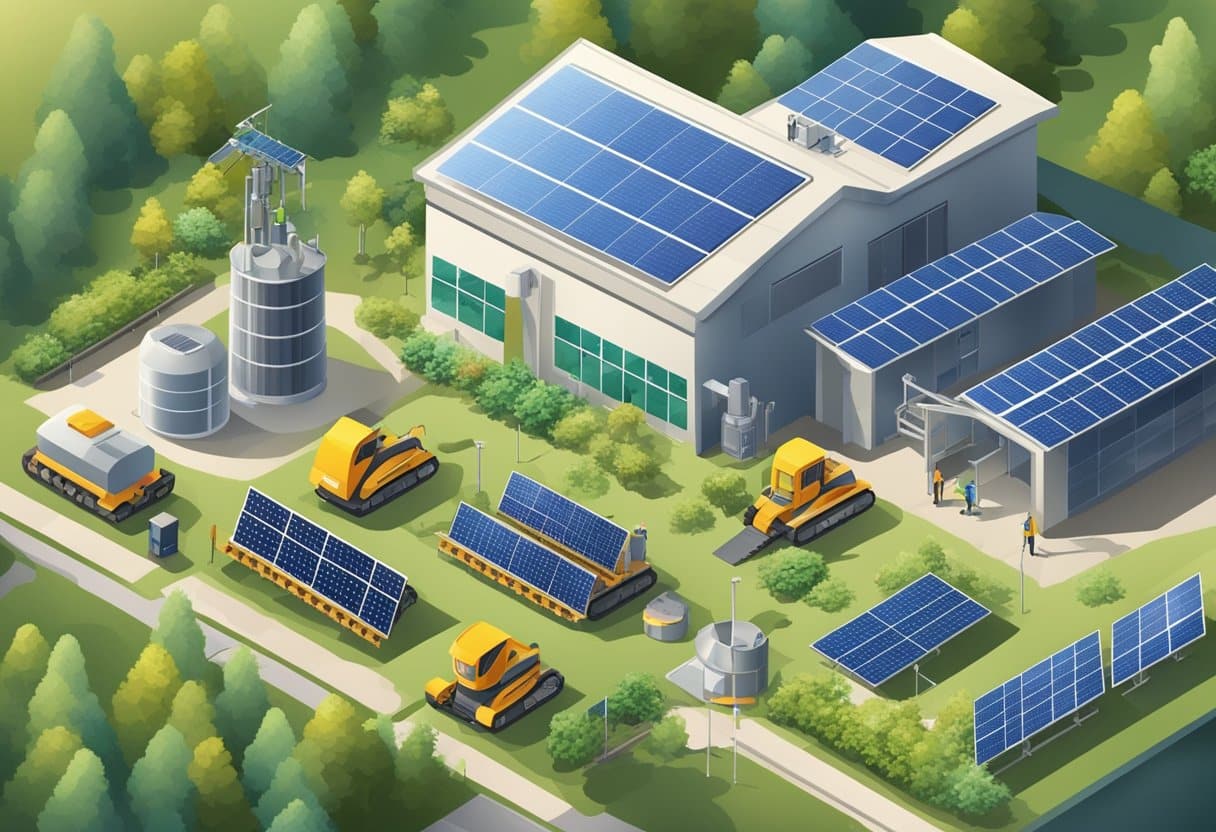
Case Studies: Disney and Netflix
Disney has embarked on a significant effort to integrate sustainability into their animated productions. They have invested in energy-efficient hardware and incorporated renewable energy into their production processes.
Green Practices in Stop-Motion Animation
Stop-motion is an animation technique that, despite its artisanal nature, also benefits from sustainable production practices. Use of recyclable materials for set and character designs is a key step many studios are taking. Additionally, these studios often repurpose sets and props to reduce waste and lower the environmental impact of their hand-crafted storytelling method.
Implementing Sustainable Production Planning
For companies seeking to align with eco-friendly practices, it begins with mapping out each production stage to identify areas where energy can be saved, waste reduced, and materials repurposed.
Green Building Standards for Animation Studios: LEED certification and BREEAM standards give studios a path for sustainable construction, with energy efficiency metrics that can also cut production costs. Key features include solar panels contributing to studio power needs, LED lighting to cut electricity use, smart HVAC controls, and natural lighting near workstations to reduce artificial light use. Recycled steel, low-VOC paints, and sustainable flooring (including cork, which also suits sound recording) are healthier building material choices.
Reducing Carbon Emissions and Travel
Remote Collaboration and Virtual Environments
By utilising virtual environments for team meetings and creative sessions, animation studios are able to significantly cut down on travel-related carbon emissions. At Educational Voice, the adoption of digital tools and platforms for project management allows for seamless collaboration without the need for physical presence, aligning with the commitment to eco-friendly practices.
Transportation Policies and Eco-Friendly Travel Options
By encouraging the use of public transport, car-sharing schemes, and incentivising low-emission vehicles, animation studios can lead by example in reducing their carbon footprint.
Beyond Production: Full Cycle Sustainability

Sustainable animation practice concerns itself not only with production but also with the life cycle management of resources. This approach encompasses the ideas of a circular economy, understanding that every asset has value even beyond its initial use.
Circular Economy and Recycling Programmes
A circular economy in animation prioritises the continual use of resources, minimising waste by integrating recycling programmes. Educational Voice recognises recycling’s role in resource management, creating a loop that sees materials repurposed for future projects.
Repurposing and Reusing Animation Assets
Repurposing animation assets extends their lifespan, reducing the need for new resources and decreasing the industry’s carbon footprint. Michelle Connolly, Founder and Director of Educational Voice, advocates for “strategic reuse of animation elements, which maximises creative output while managing resources prudently.” Assets can be adapted for multiple formats, optimising them for TV, social media platforms like YouTube, and eLearning environments.
Industry Standards and Certifications

Environmental Media Association Guidelines
The Environmental Media Association (EMA) outlines best practices that animation studios can implement to minimise their ecological footprint. They offer specific guidelines that encourage the use of sustainable materials and processes which can significantly decrease waste and promote resource conservation.
Adopting the Green Seal Certification
Green Seal certification represents a high standard for sustainability, it indicates that a studio’s operations have met stringent environmental criteria. By adopting the Green Seal, animation studios commit to rigorous production protocols, from energy-efficient lighting to responsible waste management.
Sustainability Certification Standards: the animation sector now has a dedicated framework of its own. Ecoprod, Green Film and CineRegio, the European network of regional film funds, formed a collective initiative that published the Green Animation Guide, described as the first international reference guide for sustainable practices in animation, launched at the Annecy International Animation Film Market in June 2025. The guide offers more than 60 fact sheets and 150 concrete actions covering both 2D and 3D production, from IT equipment and workflows to studio life, mobility and training. Ecoprod, a non-profit founded in 2009 that brings together over 450 industry stakeholders, also coordinates StepUP, a European platform providing shared e-learning and sustainability toolkits for the film and animation sectors.
Tracking and Reducing Studio Footprints: the same partnership is developing the ANiMPACT Standards, an international framework of practical, verifiable criteria intended to support a scalable certification scheme that studios of any size can use to track progress. More than 110 organisations across 30 countries have taken part, and the standards have entered a pilot phase. The metrics that matter most to a studio are rendering energy consumption, hardware lifecycle management, digital storage efficiency, and the impact of remote work. Monthly reporting helps teams spot trends, and the best tracking systems tie directly into production management tools.
Leveraging Community and Industry Collaboration
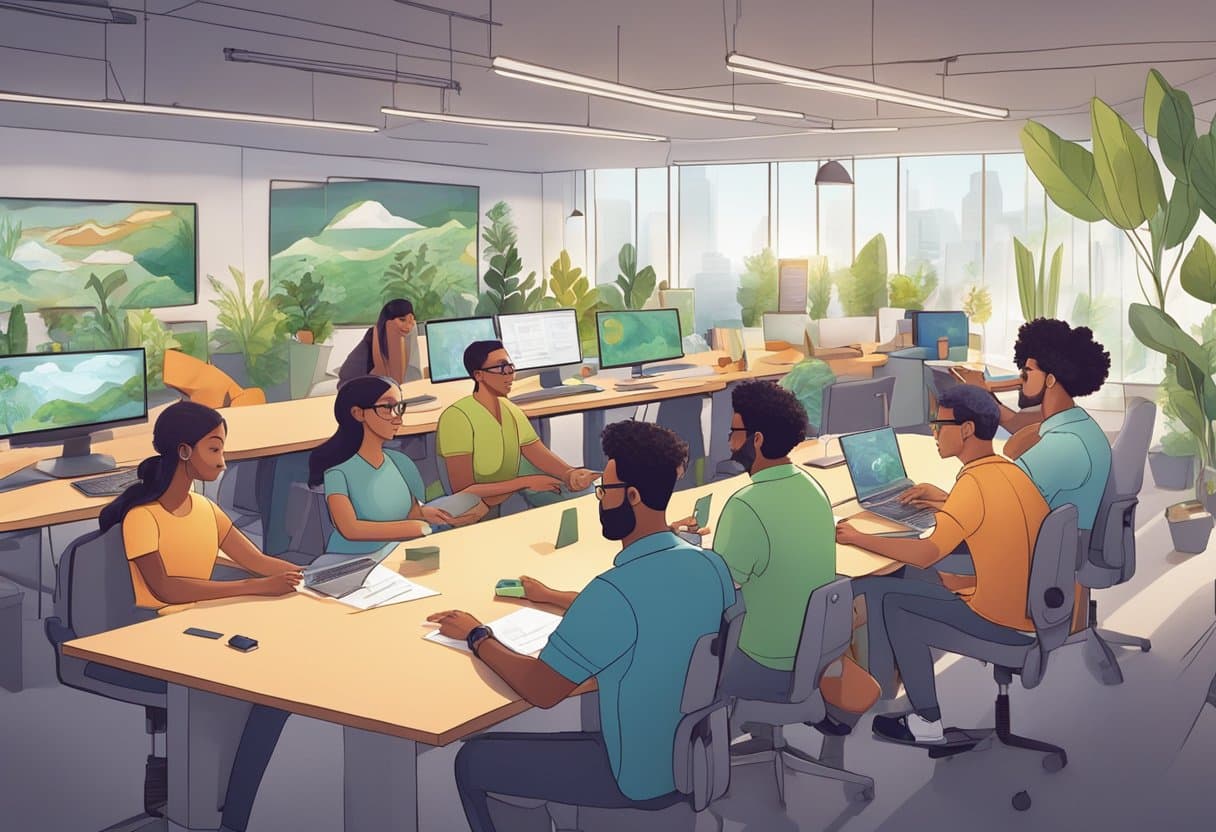
To achieve significant strides in sustainability, animation production companies are increasingly recognising the value of community and industry collaboration.
Collaborative Efforts for a Greener Industry
By sharing resources and best practices, companies can implement sustainable practices more effectively than they could in isolation. Educational Voice, under the direction of Michelle Connolly, champions this cause by facilitating discussions and partnerships that are aimed at positive change.
Industry-Wide Sustainability Initiatives: the Green Animation working group brings together Ecoprod, Green Film and CineRegio alongside CEE Animation, Animation Scotland and regional film funds including Film London and Screen Scotland, which gives UK studios a route into the work.
Training in Sustainable Practices: training reduces energy waste, and the core areas are worth building into any studio’s onboarding: energy-efficient rendering settings, digital asset management that avoids duplicate storage and e-waste, and remote collaboration tools that reduce travel.
Stakeholder Engagement and Social Impact
Engaging stakeholders such as clients, vendors, and the broader community is a cornerstone of sustainable animation production. Educational Voice points out that integrating sustainability not only has a positive social impact but also enhances brand presence on platforms like YouTube, where eco-conscious content is highly valued.
Sustainable Animation Practices: Future Perspectives
Adapting to New Norms Post COVID-19 Pandemic
Since the COVID-19 pandemic, the animation sector has had to adapt to new working norms. Remote collaboration is now more prevalent, which can positively impact the environment by reducing commuting. At Educational Voice, the pandemic accelerated the adoption of digital tools and new workflows, lowering the studio’s carbon footprint in animation production.
Long-Term Vision for Green Filmmaking
The industry must continue to evolve with these adaptations, ensuring that animated content from platforms like TV to eLearning maintains its audience appeal while adhering to eco-friendly principles.
FAQs
What are the best strategies for reducing energy consumption in animation production?
Optimise the rendering pipeline and schedule heavy render jobs during off-peak hours when renewable energy is more likely to be available. Reuse models, textures, and scenes across projects to avoid unnecessary processing. Buy hardware sized to actual needs rather than the most powerful machine available.
How can animation studios effectively implement recycling programmes for their waste materials?
Start with e-waste, since hardware is usually the biggest waste stream, working with certified e-waste recyclers for graphics cards, monitors, and servers. Set clear steps for retiring equipment, moving high-power machines to lighter tasks before recycling them. Don’t forget paper and office waste; double-sided printing and digital approvals make a real dent.
In what ways does utilising cloud-based computing contribute to sustainable animation practices?
Cloud providers usually run more energy-efficient operations than individual studios due to scale, and many power their data centres with renewable energy. Shared cloud resources remove the need for a render farm running 24/7. One caution: convenience can create a rebound effect, where easy cloud access leads to using more resources than it saves.
What is the role of renewable energy sources in creating eco-friendly animation studios?
Renewable energy directly addresses animation’s biggest environmental issue: electricity for rendering and workstations. Timing energy-heavy tasks to line up with renewable generation peaks makes the most of clean energy.
How do virtual production techniques improve sustainable animation processes?
Virtual production removes traditional film impacts like crew travel and physical set builds. Real-time rendering reduces the need for energy-hungry post-production, and remote collaboration tools mean teams can work together without flying people around for international co-productions. Virtual scouting and previsualisation help get scenes right before final production, reducing reshoots.
What are the key factors in establishing a green procurement policy for animation studio supplies and equipment?
Focus on how long equipment will last rather than the newest specification. Build relationships with suppliers offering take-back programmes, or consider leasing options that include end-of-life equipment management.


